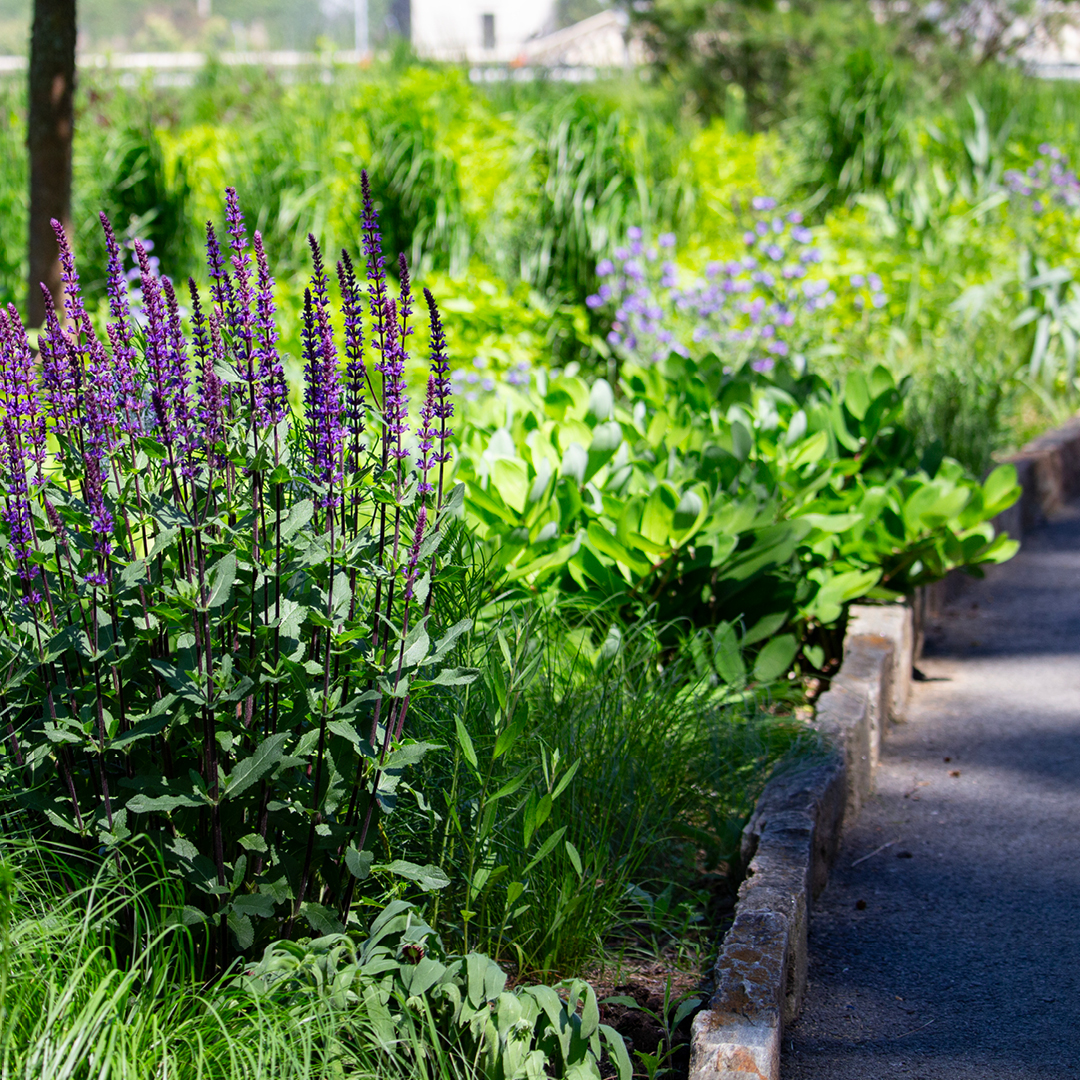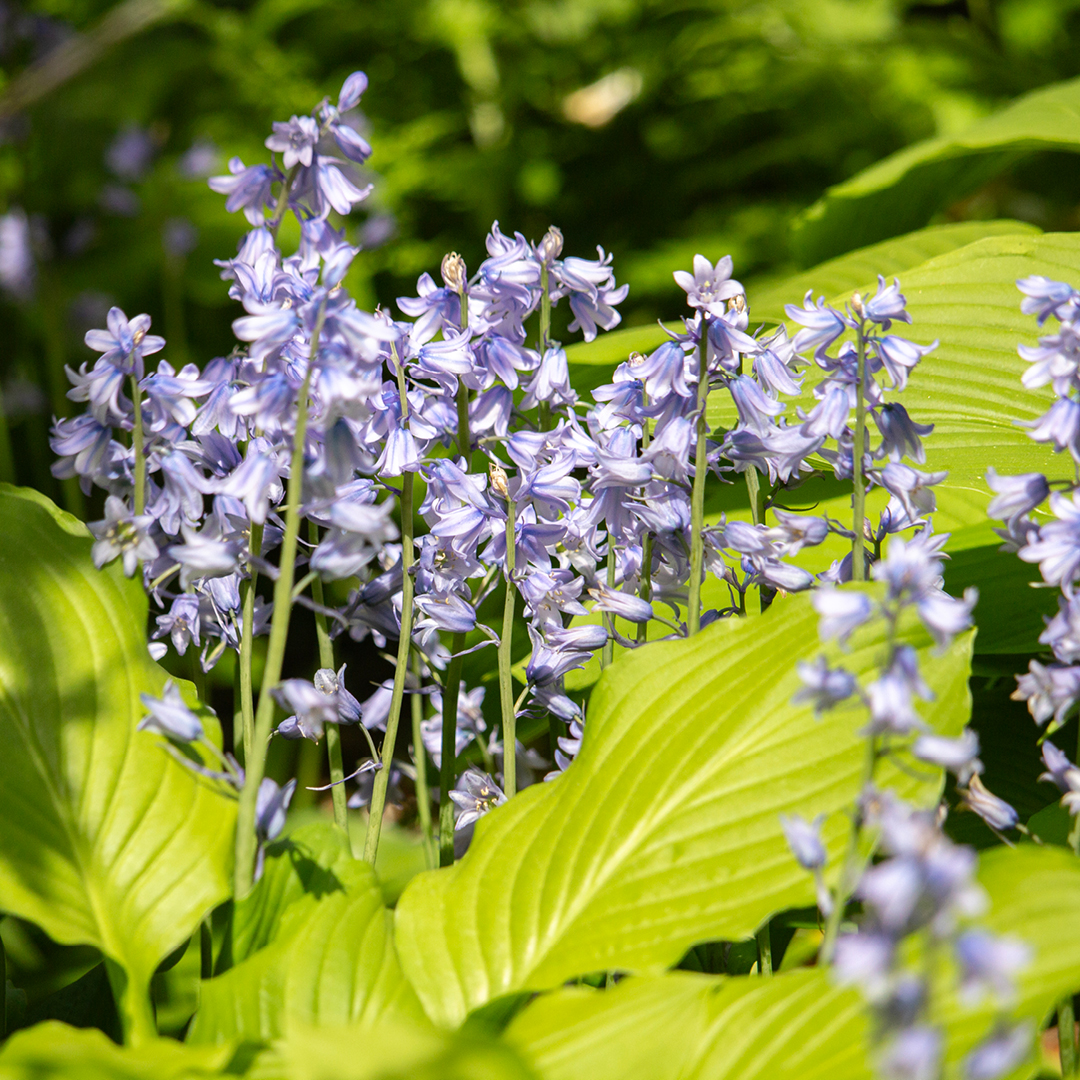
Creating a thriving landscape isn’t just about pretty plants—it’s about matching plant selection to your garden’s unique conditions. This “right plant, right place” principle ensures healthier plants, less maintenance, and greater garden longevity.
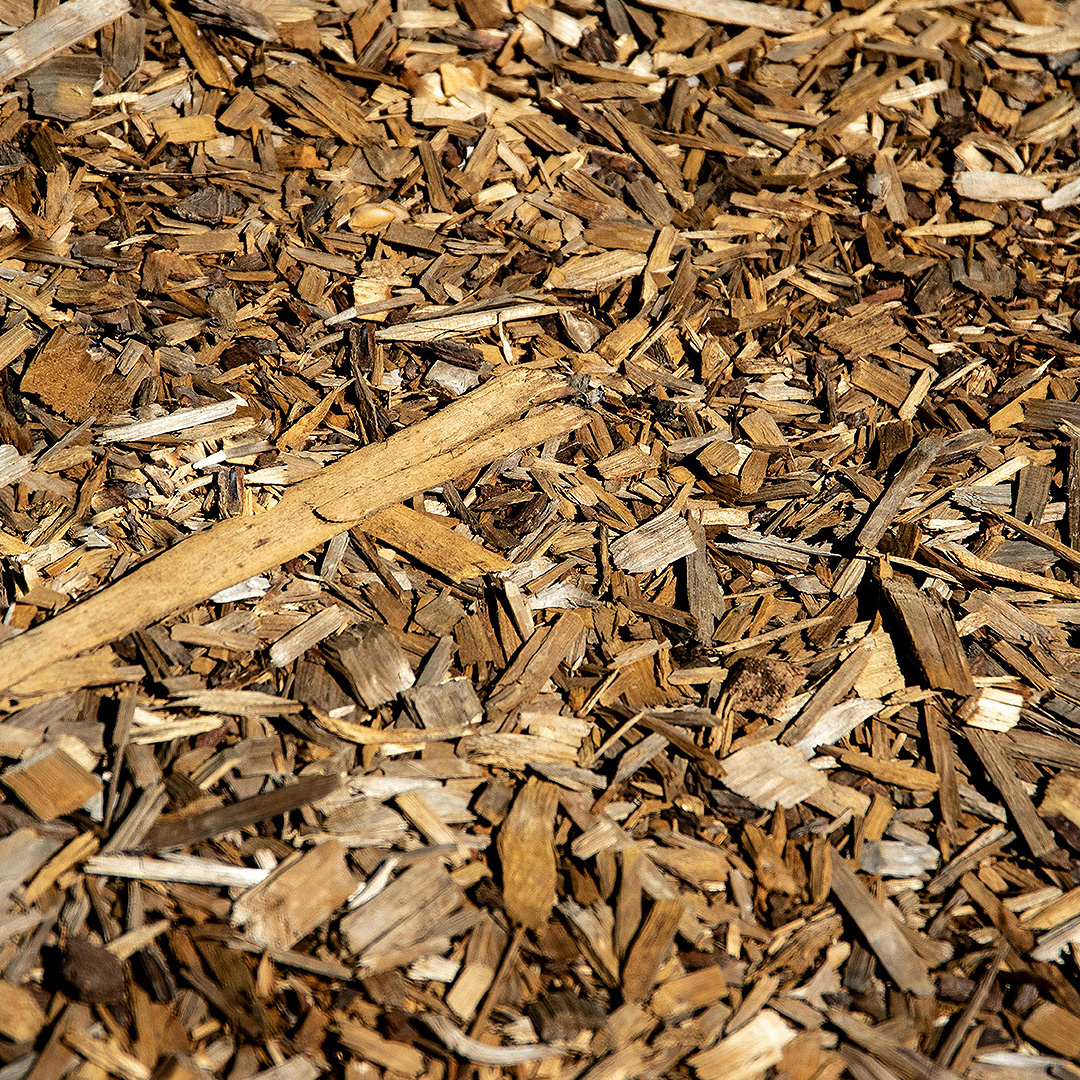
Mulch may look unassuming, but it’s the secret superstar behind vibrant, thriving landscapes. Think of mulch as a hardworking bodyguard for your garden – it protects soil, boosts plant health, and helps you save time and money.
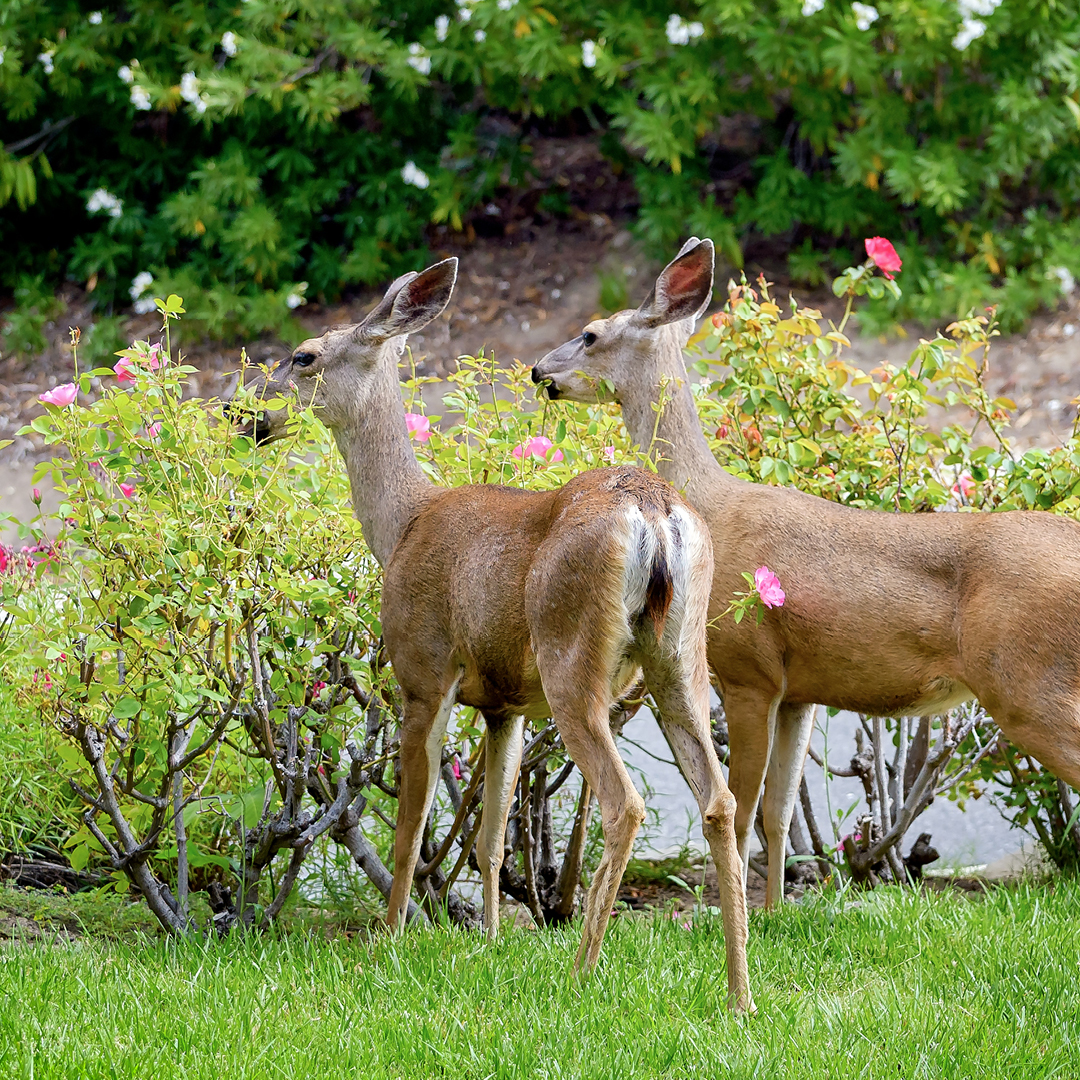
Deer browsing damage control requires multiple strategies to protect gardens year-round. Effective deer damage control combines 8-foot fencing, motion sprinklers, and repellents. Success comes from rotating deer damage control methods to outsmart these adaptable garden pests.
Because plants require moisture to grow and thrive, your garden will probably suffer during periods of low rainfall and intense heat. Insufficient soil moisture will result in smaller flowers and fruit, stunted plant growth, decreased root development and increased plant disease and insect damage. Fortunately, there are many things that you can do to minimize the impact of drought on your garden.
Beautiful and dependable, Echinacea purpurea, or purple coneflower, is the crowning glory of the summer perennial garden. A member of the Aster family, all Echinacea species are native to North America. The genus Echinacea is derived from the Greek ‘echino’ meaning hedgehog, a reference to the spiny center disc flowers.
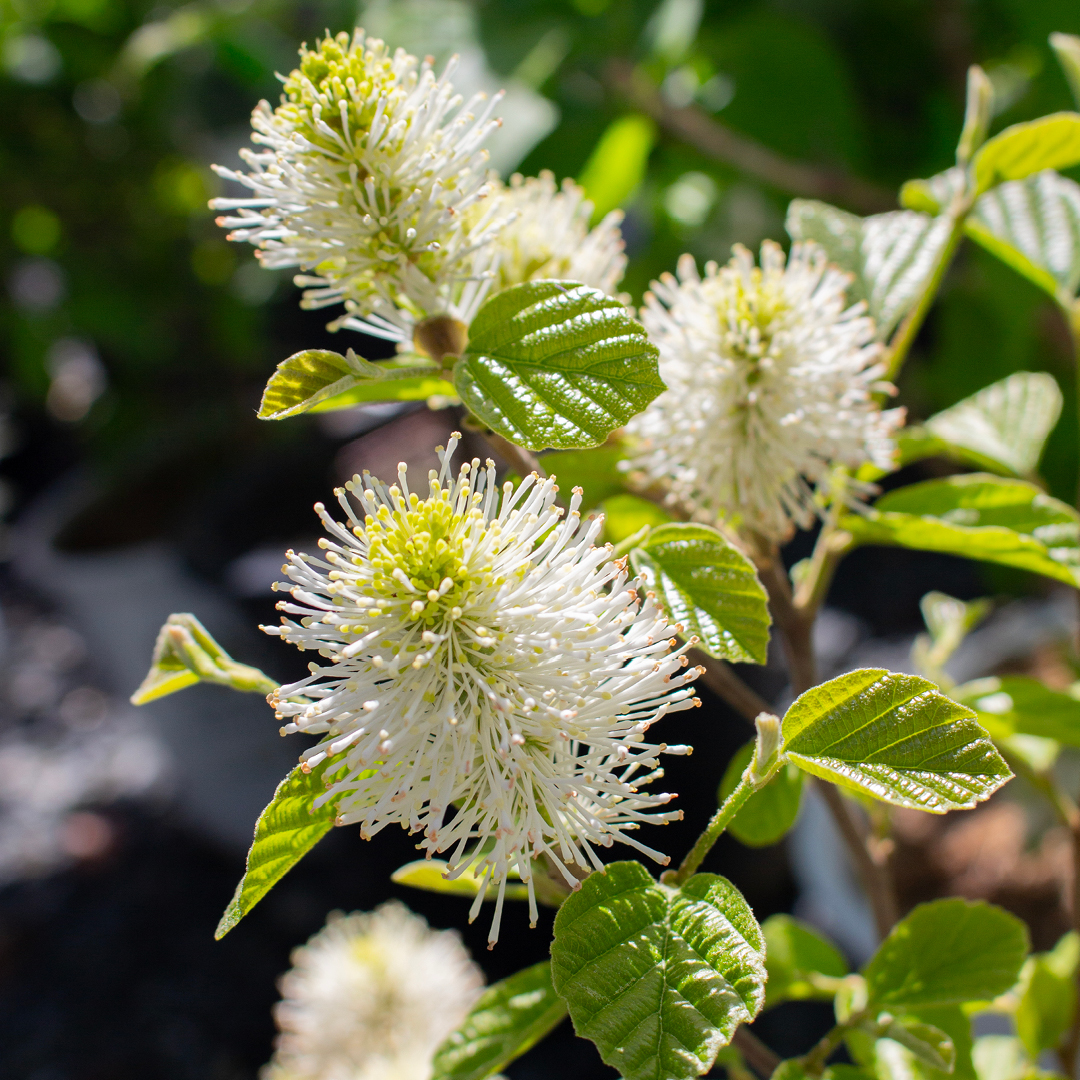
Many gardeners assume that the brightest flowers are only seen in spring, but there are many stunning shrubs that have great color all through the summer. Some feature outstanding blooms while others have equally showy foliage and can brighten up any yard. But which will look best in your yard?
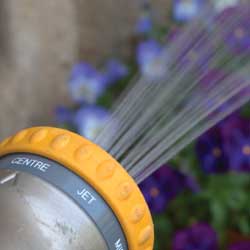
Periods of drought, heat waves and rising water bills can make any gardener more interested in saving water. Fortunately, there are many ways you can be water-wise without skimping on the moisture your plants need to thrive.
One of the most common and easy to recognize plant diseases, powdery mildew, is caused by fungus spores that overwinter in garden debris and are spread by wind the following season. In late spring and early summer, the warmer days and high humidity provide perfect conditions for spore germination.
Tall or short, red, pink, purple, blue, white and shades in between, few shrubs provide the versatility of hydrangeas. Generations of gardeners have loved and designed their gardens using these showy shrubs as summer privacy screens, landscape focal points and beautiful cut flowers. Now, thanks to new hydrangea introductions, there are even more ways to use them.
Summer is all about outdoor gatherings, but irritating insects can dampen the fun. Creating an insect-repellent container garden is a simple, effective, and attractive way to keep bugs at bay while keeping you and your guests comfortable. Abundant Annoyers Any celebratory summer soiree can become a proverbial nightmare, sending attendees…