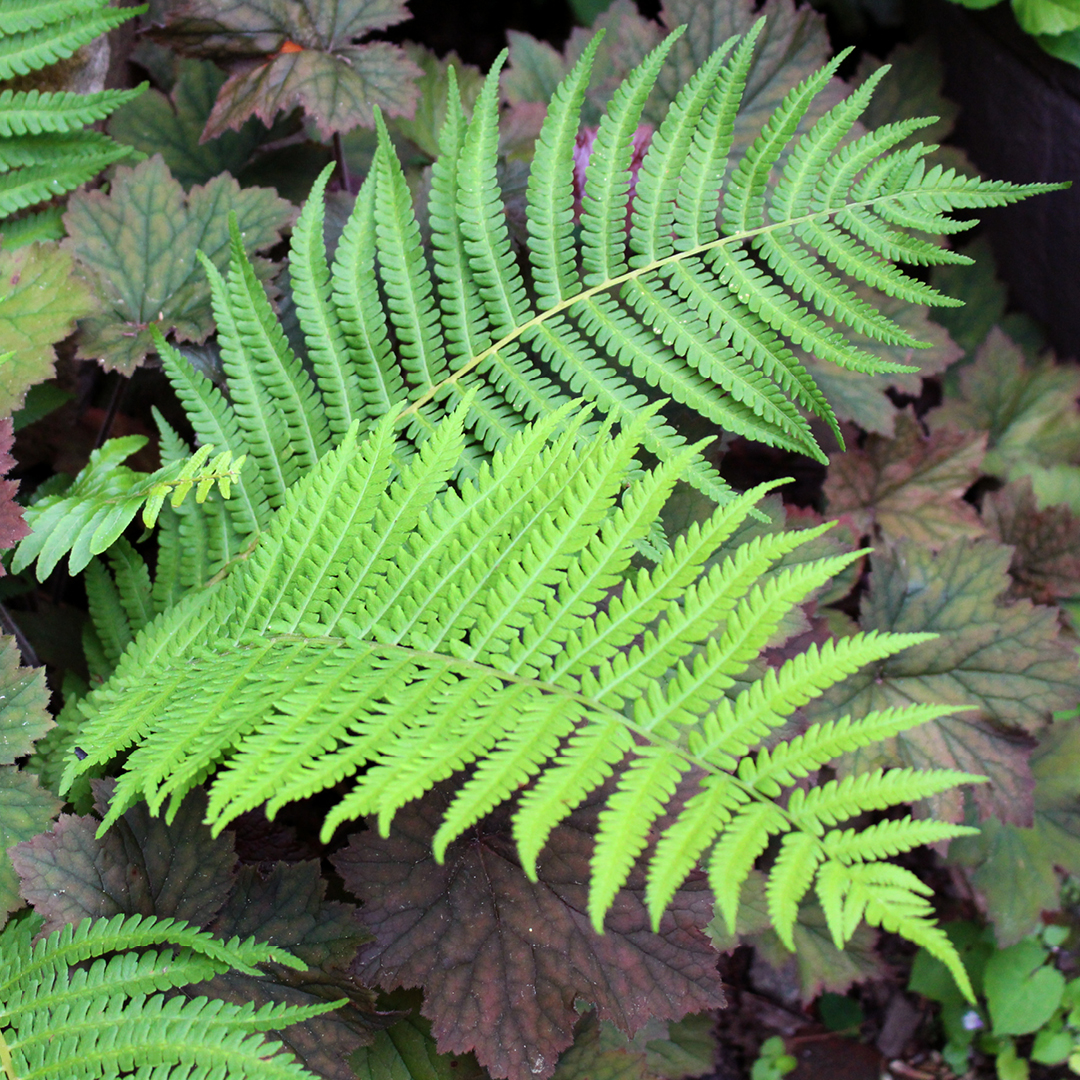
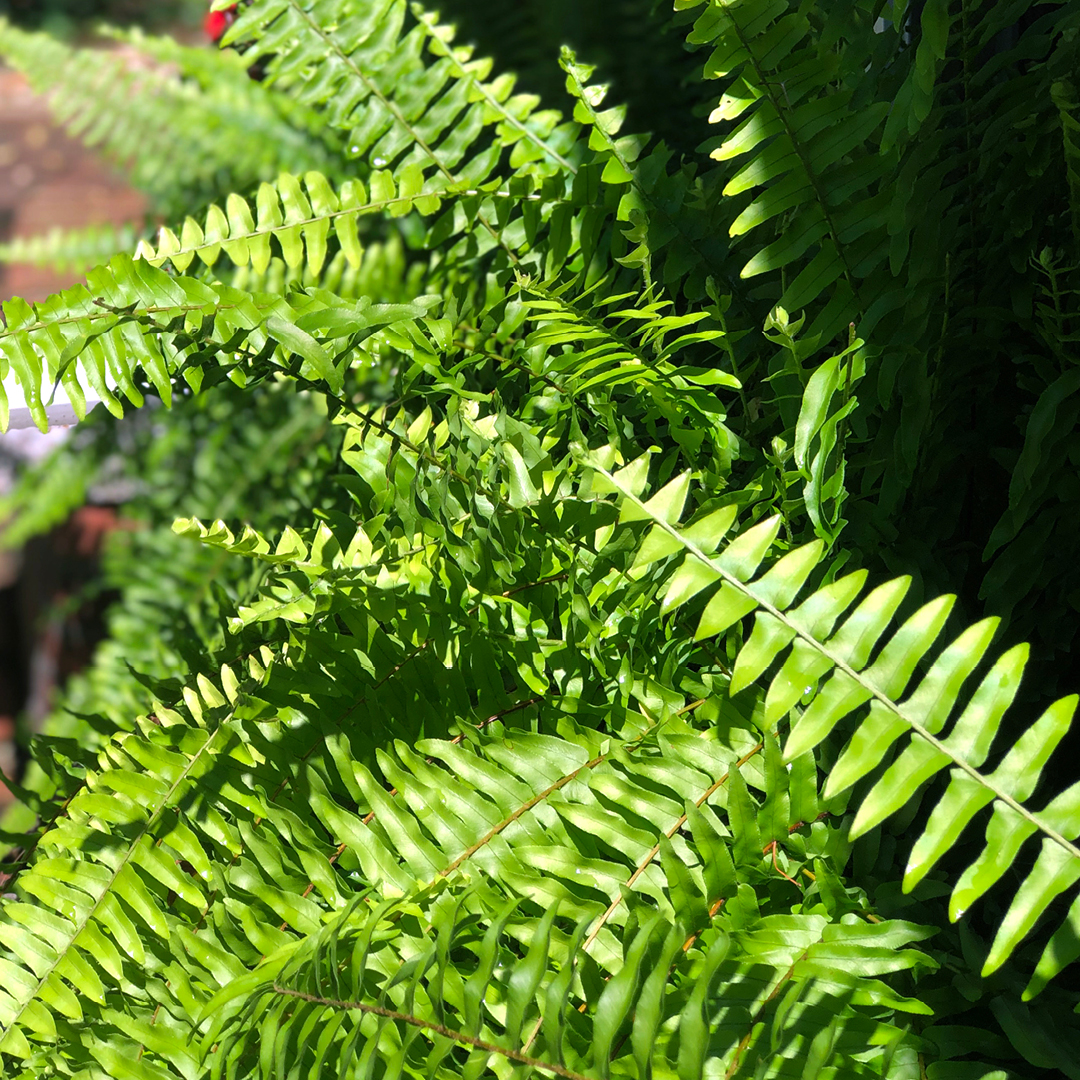
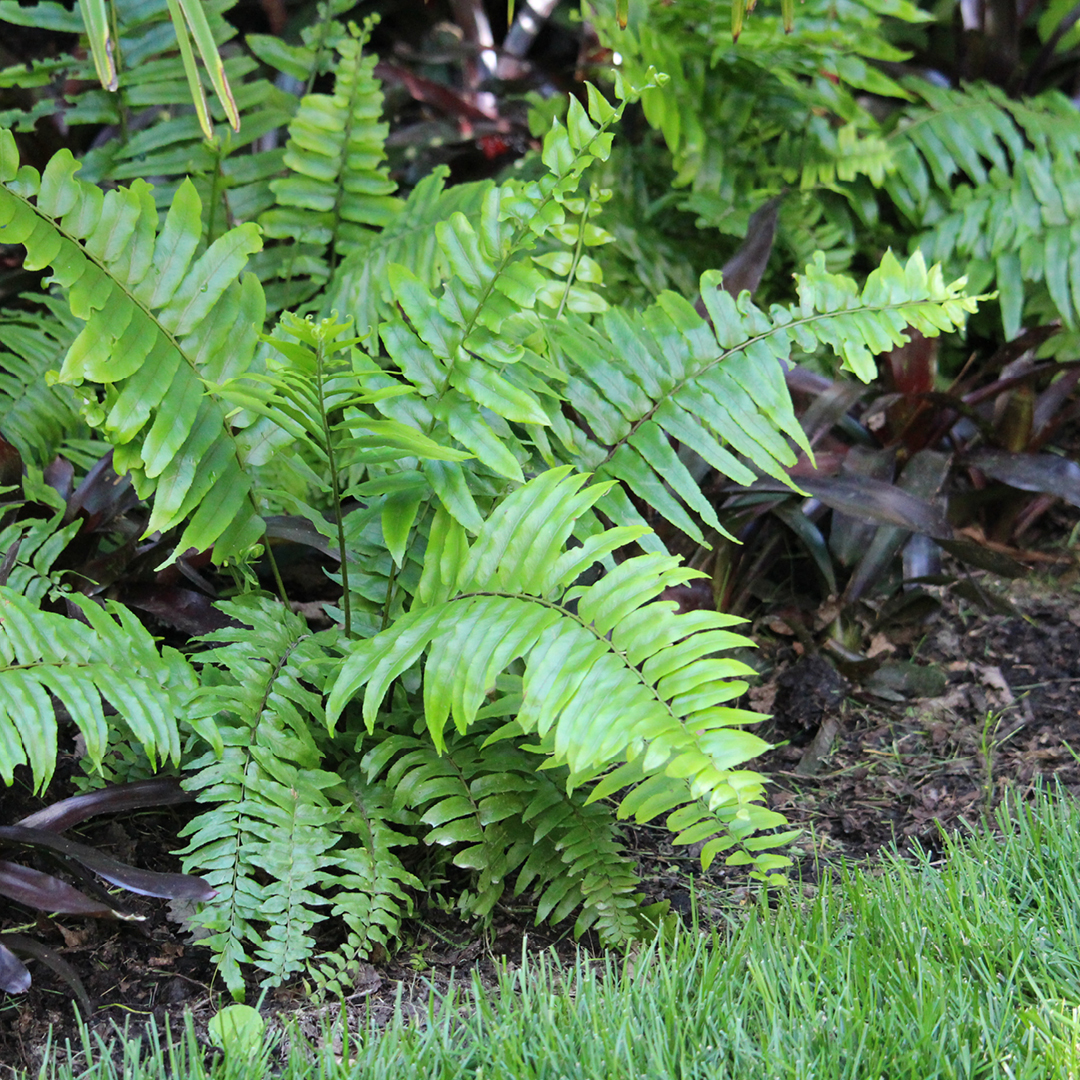
Ferns are a timeless and elegant addition to any landscape, offering texture, structure, and year-round beauty in shaded and woodland areas. Native ferns are particularly valuable because they are adapted to local conditions, low-maintenance, and support local wildlife. Understanding their growth habits, uses, and ecological benefits can help gardeners design stunning, sustainable landscapes.
Growth Habits and Notable Species
Native ferns vary widely in size, form, and growth habit, making them versatile in a range of garden settings. Some key species for early spring landscapes include:
- Christmas Fern (Polystichum acrostichoides): Evergreen, 18–24 inches tall with a similar spread; maintains foliage through winter, providing greenery when other plants are dormant.
- Ostrich Fern (Matteuccia struthiopteris): Upright, feathery fronds reaching 4–6 feet tall; spreads via rhizomes, ideal for massing in moist areas.
- Royal Fern (Osmunda regalis): Large, upright fronds up to 6 feet; produces attractive spore clusters in late spring to early summer.
- Sensitive Fern (Onoclea sensibilis): Clump-forming, 1–2 feet tall; excellent for wetter soil conditions and adds delicate texture.
- Hay-scented Fern (Dennstaedtia punctilobula): Fine-textured, spreading fern reaching 2–3 feet tall; tolerates a range of soils and can naturalize over time.
These ferns thrive in shaded or partially shaded environments, often preferring consistently moist, well-drained soils. Their adaptability makes them ideal for woodland edges, shaded borders, and areas where other plants struggle.
Companion Planting
Ferns pair beautifully with other shade-loving perennials and shrubs, such as hostas, astilbes, trilliums, and woodland wildflowers. Layering ferns with these plants creates a natural woodland effect, enhances biodiversity, and mimics native ecosystems. Incorporating ferns along pathways or under trees adds soft texture and movement to your landscape.
Pest and Disease Resistance
One of the key benefits of native ferns is their pest and disease resistance. Most species are highly resilient, requiring little maintenance. Avoid overwatering or planting in poorly drained areas, as this can lead to occasional fungal issues, particularly with larger ferns like ostrich fern or royal fern.
Seasonal Interest
Many native ferns provide interest throughout the year. Evergreen varieties, like Christmas fern, maintain foliage through winter, while species such as royal fern offer striking spore clusters in late spring to early summer. These features make ferns a dynamic addition, contributing both foliage and seasonal highlights.
Wildlife Benefits
Native ferns support a range of wildlife. Their fronds provide nesting material for birds, and their structure creates microhabitats for insects and small mammals. By planting ferns, you are also encouraging a healthy, balanced ecosystem in your garden.
Landscaping Uses
Ferns are not only beautiful—they are functional. They make excellent groundcovers on slopes or erosion-prone areas, help stabilize soil, and perform well in rain gardens or wet spots. Ferns also soften the edges of hardscapes like walkways and patios, adding natural texture and visual interest.
Cultural Significance and History
Ferns have a longstanding presence in North American landscapes and folklore. For example, Christmas fern fronds were historically used for winter holiday decoration, celebrated for their evergreen foliage. Ostrich ferns are also valued for their edible fiddleheads, which have culinary and cultural significance as a spring delicacy.
Environmental Benefits
Planting native ferns improves soil health and reduces erosion. Their deep, fibrous roots enhance soil structure, increase organic matter, and contribute to water filtration. By incorporating ferns into your garden, you are supporting sustainable practices that benefit both the environment and your landscape.
Native ferns are more than just beautiful greenery—they are versatile, sustainable, and ecologically valuable additions to any shade garden. With thoughtful placement, attention to soil and moisture conditions, and companion planting, these plants can elevate your landscape while supporting wildlife and ecosystem health.