As the winter frost recedes and the days grow longer, there is nothing quite like the first burst of color in the garden. While many of us wait for May flowers, savvy gardeners know that the real show begins much earlier. March and April offer a unique window to transform a dormant landscape into a vibrant sanctuary—if you know which trees to plant.
Choosing native trees that bloom in early spring isn’t just about aesthetics; it’s a strategic move for your local ecosystem. These early risers are the first line of defense for hungry pollinators waking up from winter, providing essential nectar and pollen when other food sources are scarce. Plus, because they are native, they are already adapted to our local climate fluctuations, making them hardy survivors that require less fuss than their exotic cousins.
Ready to wake up your garden? Here are ten spectacular native trees that bring life, color, and drama to the landscape just as the season turns.
Top Picks for Early Spring Color
When selecting your trees, consider how their bloom times overlap and their mature sizes to create a layered, continuous display.
- Serviceberry (Amelanchier spp.): Before its leaves even unfurl, this tree is covered in delicate white blossoms. It’s a true multi-tasker, offering edible berries for birds later in the season and stunning fall color.
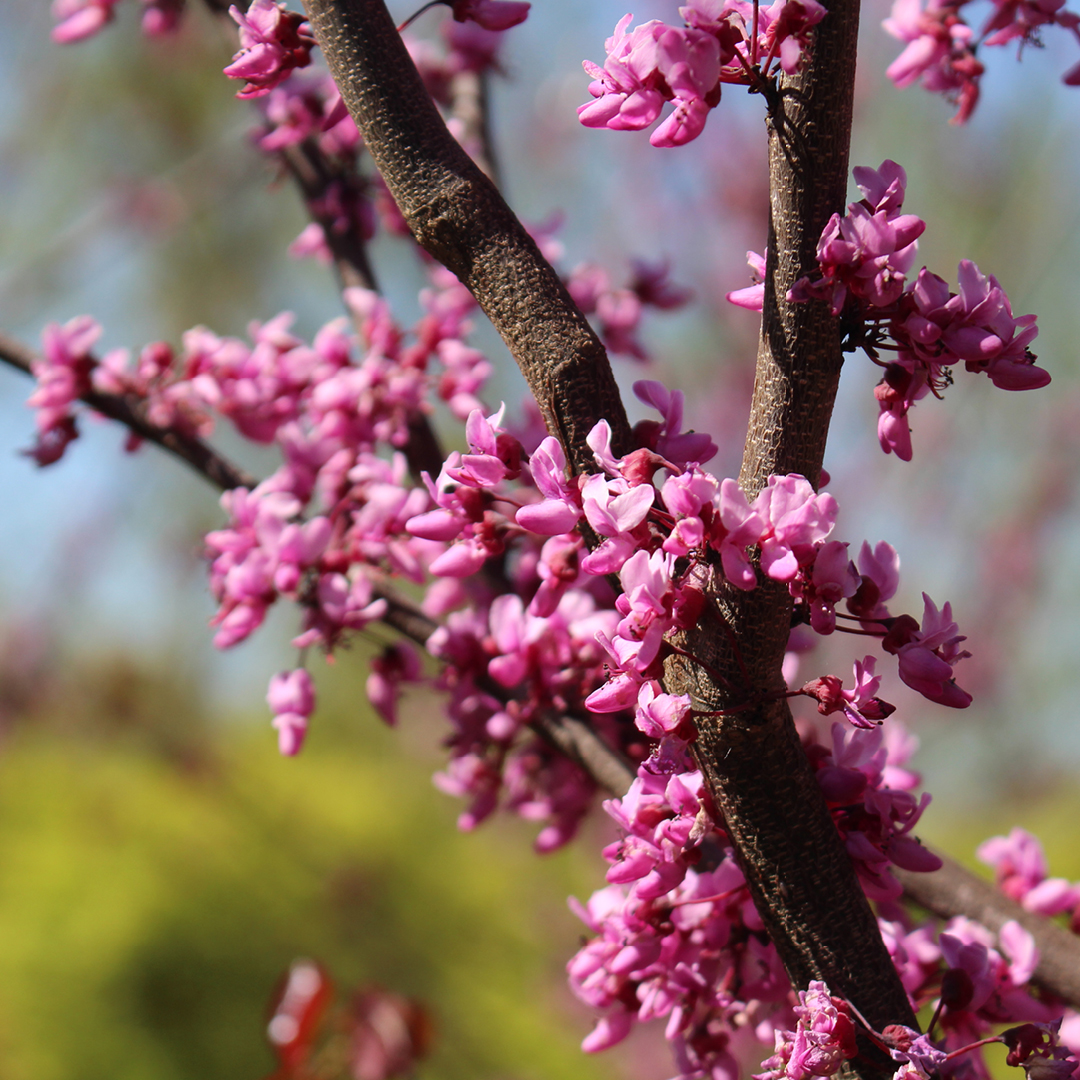
- Redbud (Cercis canadensis): A showstopper in any yard, the Redbud features striking pink-purple flowers that cling directly to its bare branches, creating a dramatic silhouette against the gray spring sky.
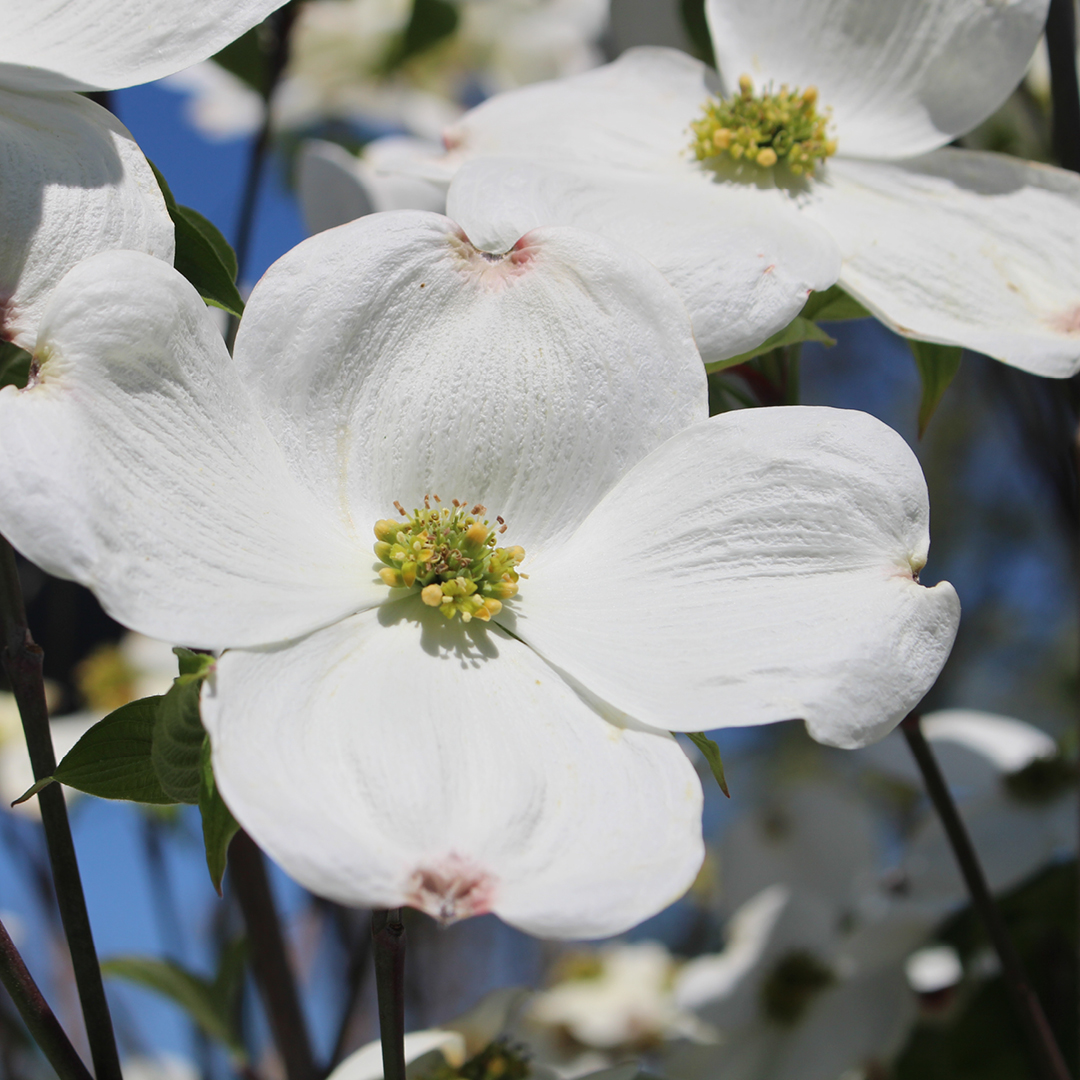
- Flowering Dogwood (Cornus florida): An iconic symbol of spring, the Dogwood’s white or pink bracts are a classic choice. It supports pollinators early on and feeds birds with red berries as the year progresses.
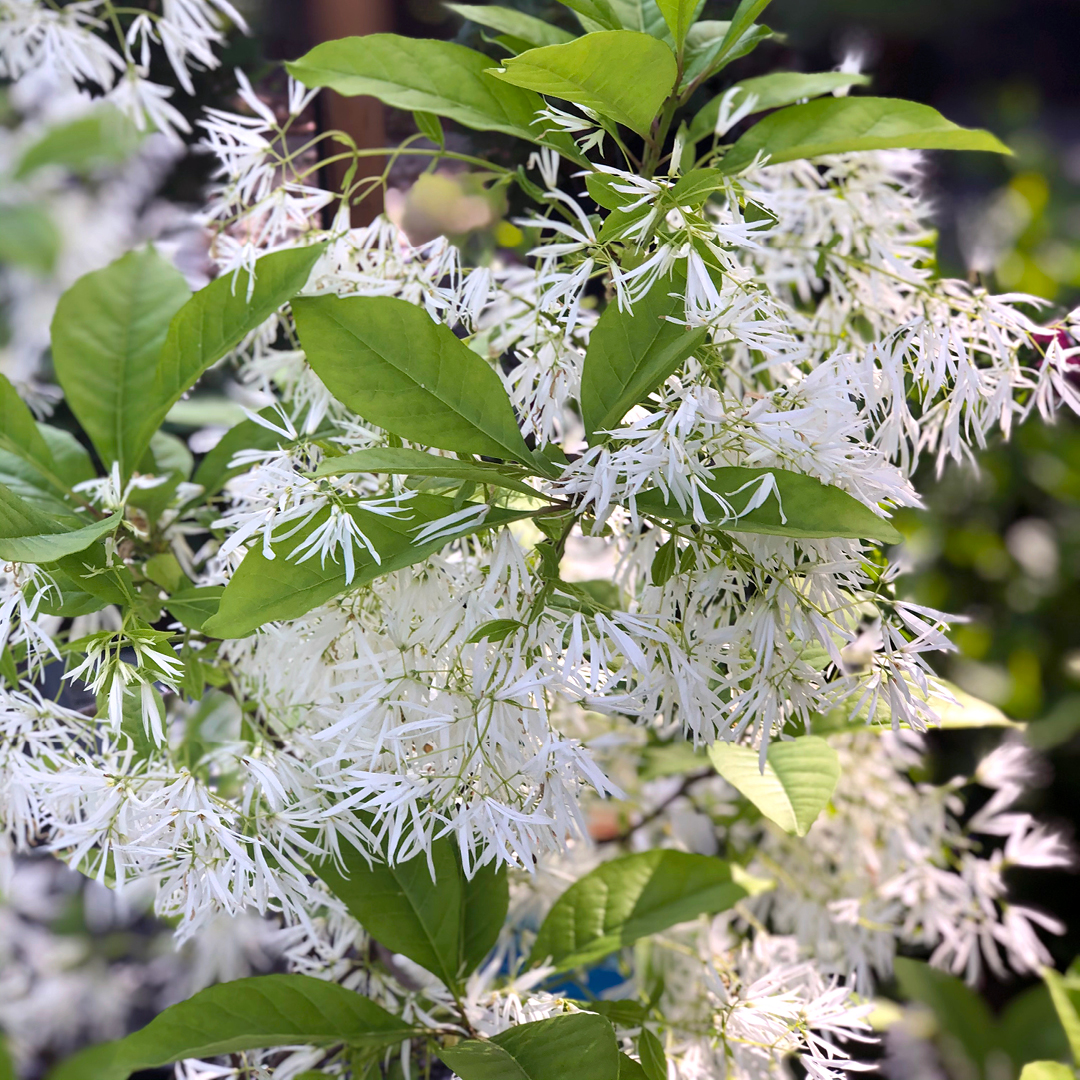
- Fringe Tree (Chionanthus virginicus): If you want texture, this is it. Its cascading white flowers look like soft fringe, adding fragrance and movement to the garden air.
- Hawthorn (Crataegus spp.): With clusters of white or pink blooms, the Hawthorn is beautiful but tough. Its thorns provide excellent protection for nesting birds, making it a safe haven in your backyard.
- Witch Hazel (Hamamelis virginiana): This is for the impatient gardener. Blooming as early as late winter, its unique yellow, orange, or red ribbon-like petals are a cheerful sign that warmer days are coming.
- Eastern Redbud ‘Forest Pansy’: Love the Redbud but want more drama? This variety offers the same stunning blooms but follows them up with deep purple foliage that keeps heads turning all summer.
- Crabapple (Malus spp.): A classic for a reason, the Crabapple bursts with white, pink, or red blooms. It is a pollinator magnet in spring and a bird feeder in late summer.
Planting for Success
To ensure your new trees thrive for years to come, follow these simple guidelines:
- Pick the Right Spot: Most of these early bloomers love full sun to partial shade.
- Give Them Room: Check the mature size before digging. You want to avoid overcrowding them as they grow.
- The Planting Hole: Dig a hole at least 2-3 times the width of the root ball, but don’t dig the hole too deep. The hole depth should be slightly less than the depth of the root ball. Place the tree, fill it back in, and give it a long drink of water.
- Mulch Matters: Add 2–3 inches of mulch around the base to keep moisture in and protect the roots from temperature swings. Just keep the mulch away from the trunk itself.
- Water Wise: New trees are thirsty, and the best way to water them is slowly, deeply, and for a long time. This gives the roots more time to absorb moisture from the soil, encouraging deeper growth. Keep them consistently watered for the first two growing seasons until they are established.
At Molzon’s, we believe your garden should be a source of joy year-round. We have a diverse selection of these early bloomers ready to go home with you. Stop by, and let our experts help you choose the perfect species to kickstart your spring.