Creating a native woodland edge garden is a rewarding way to add beauty, biodiversity, and year-round interest to your landscape. Woodland edge gardens mimic the transitional zone between forest and open areas, providing unique habitat for pollinators, birds, and small wildlife while offering gardeners a naturally layered and dynamic planting scheme. By selecting native species suited to local soil and light conditions, you can cultivate a low-maintenance garden that thrives with minimal intervention.
Understanding the Woodland Edge
A woodland edge is defined by the gradual transition from shaded forest under-story to sunny meadow or lawn. This zone often experiences dappled sunlight, partial shade, and moderate moisture, making it ideal for a mix of trees, shrubs, and perennials. Native plants in this zone are adapted to these light and soil conditions, and their layered growth habits—tall trees, medium-size shrubs, and low-growing ground-covers—create a visually appealing, ecologically functional environment.
Choosing the Right Trees
Trees form the backbone of a woodland edge garden, providing structure, shade, and seasonal interest. Consider these native options:
- Eastern Redbud (Cercis canadensis): Early spring blossoms, moderate size, and adaptable to partial shade.
- Serviceberry (Amelanchier spp.): Multi-season appeal with spring flowers, edible summer berries, and stunning fall foliage.
- Sugar Maple (Acer saccharum): Provides a rich canopy for shade-loving under-story plants and brilliant autumn color.
Planting a mix of trees that vary in bloom time, height, and texture will create visual depth and year-round interest while supporting wildlife diversity.
Selecting Shrubs for Layered Interest
Shrubs add mid-layer structure, attract pollinators, and provide food for birds. Excellent native choices include:
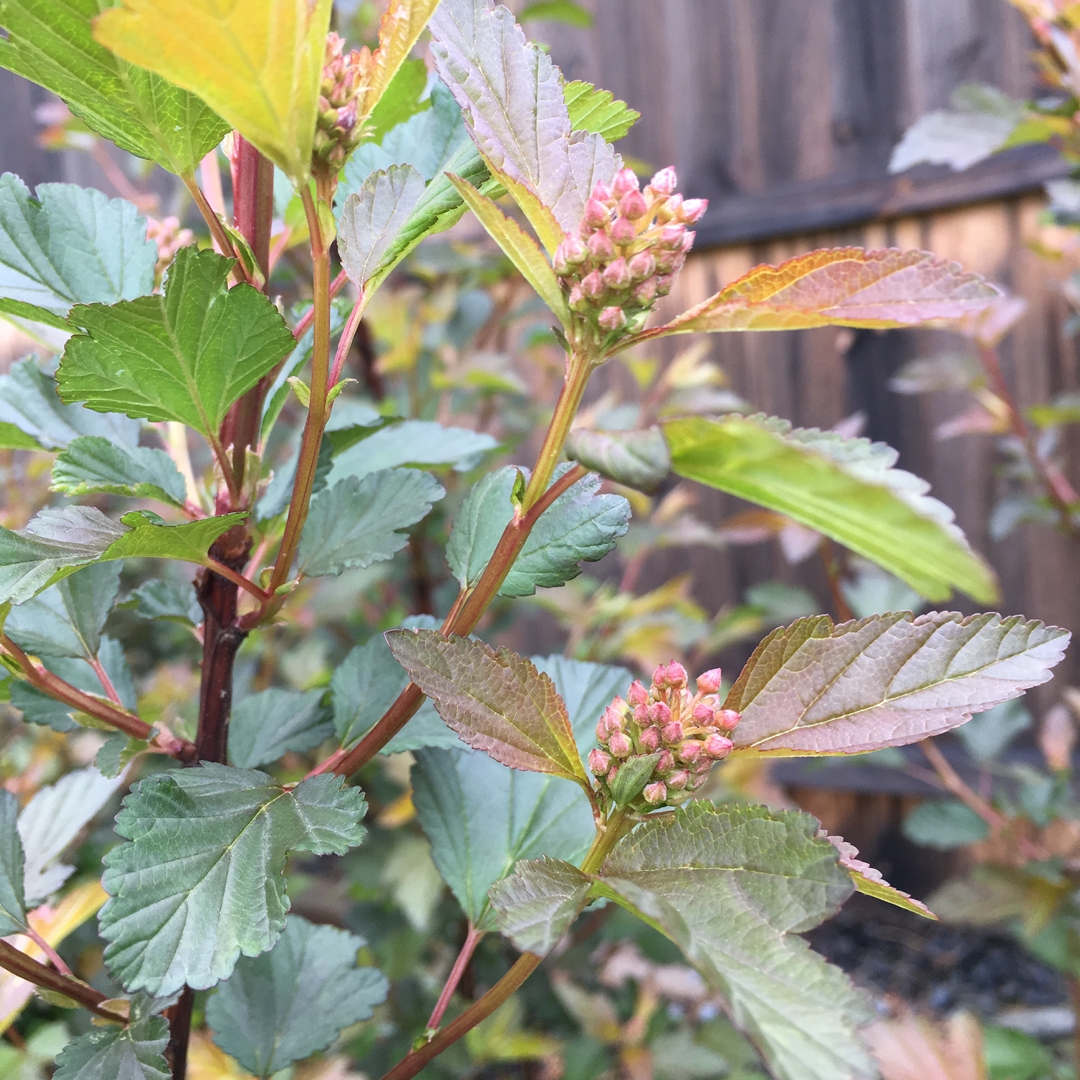
- Ninebark (Physocarpus opulifolius): Multi-stemmed shrub with peeling bark, spring blooms, and summer seed heads.
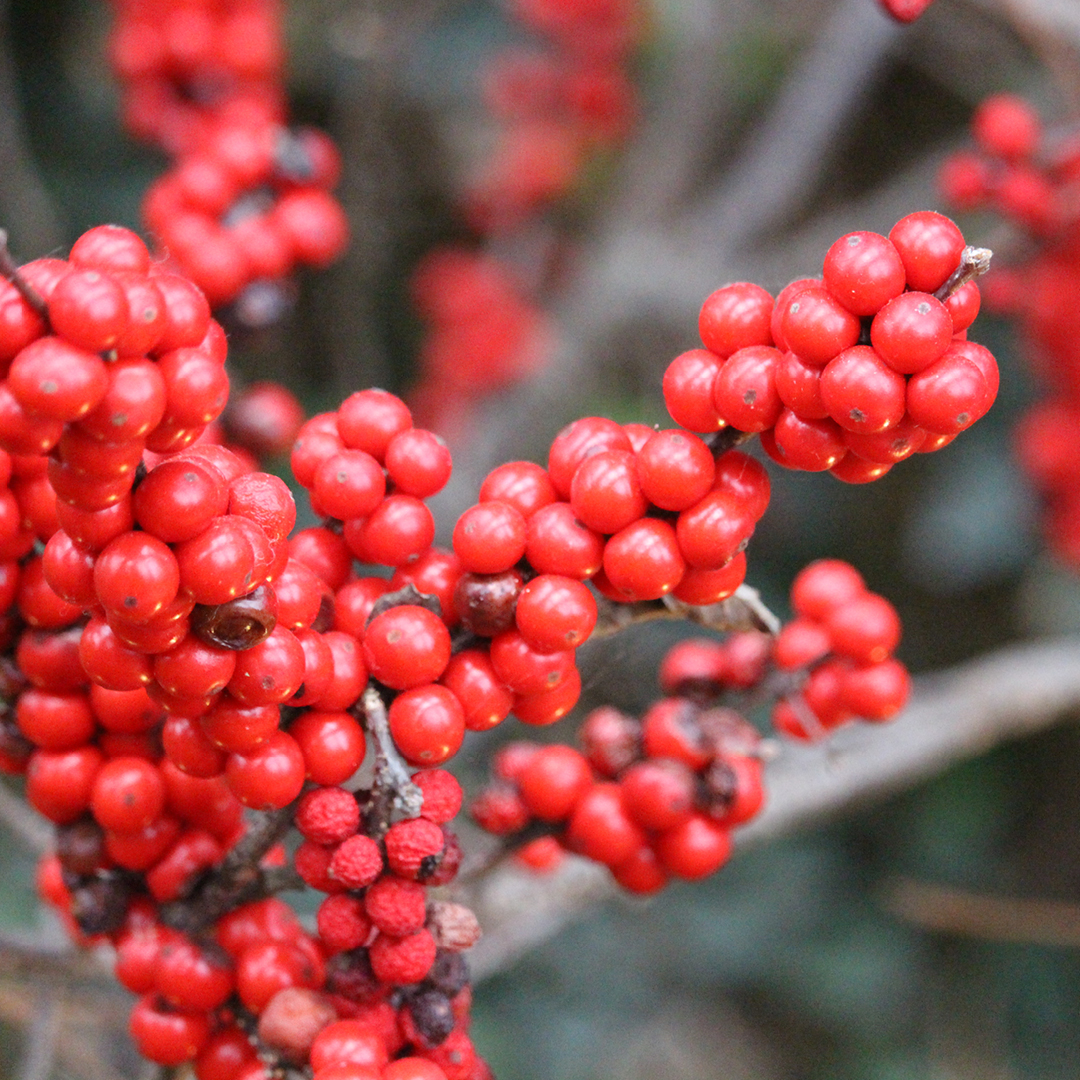
- Winterberry (Ilex verticillata): Deciduous holly with bright red berries that persist through winter.
- Spicebush (Lindera benzoin): Fragrant leaves when crushed, yellow spring flowers, and berries that attract birds.
Shrubs planted in clusters or drifts help create a naturalistic edge, softening the transition between trees and lower-growing plants.
Ground-covers and Perennials
Low-growing native plants fill the under-story, suppress weeds, and provide early-season blooms for pollinators. Consider these:
- Wild Ginger (Asarum canadense): Dense, spreading mat that thrives in shade and helps control erosion.
- Foamflower (Tiarella cordifolia): Attractive spring blooms and spreads to form a lush groundcover.
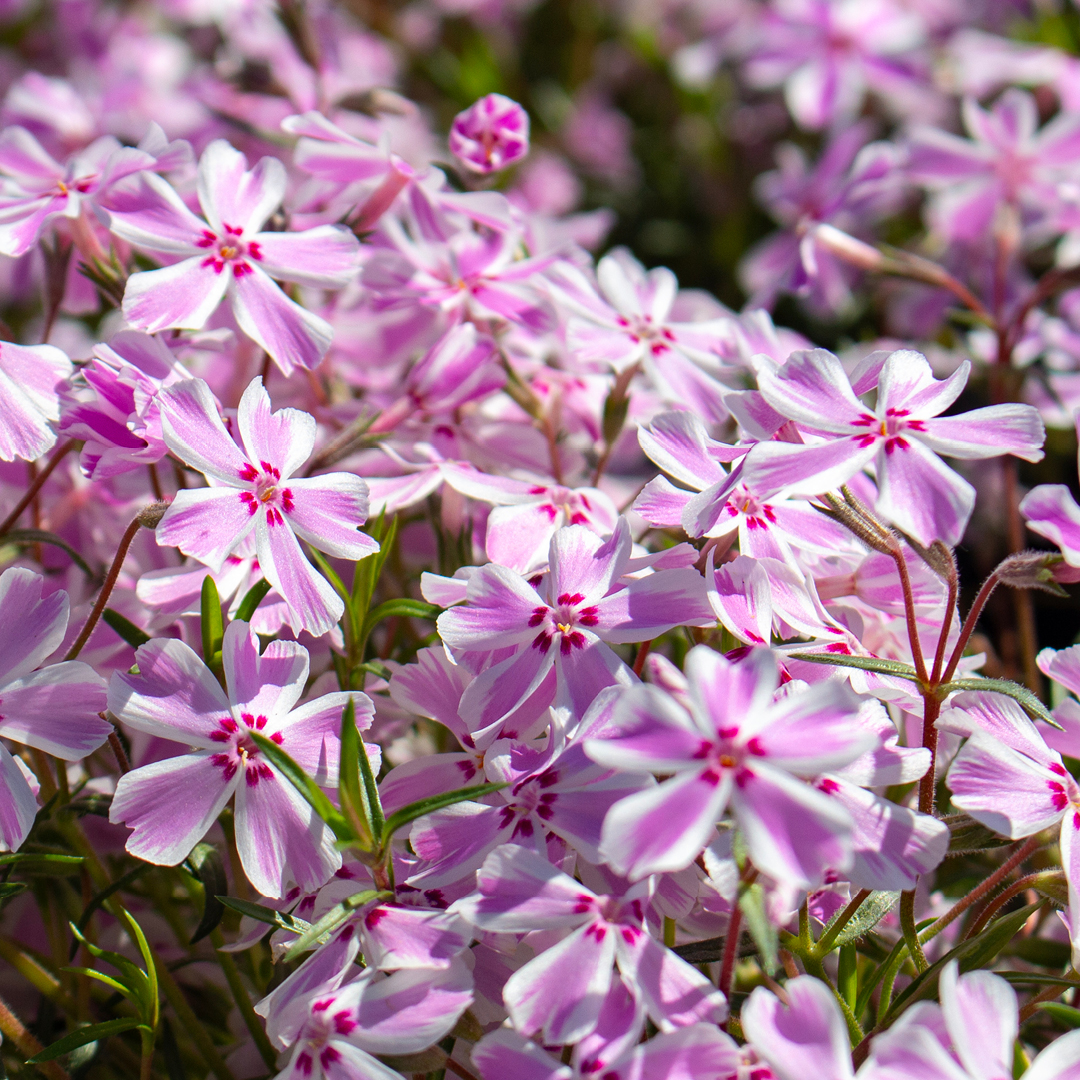
- Creeping Phlox (Phlox subulata): Sun-tolerant option that adds vibrant color along edges.
- Solomon’s Seal (Polygonatum biflorum): Graceful arching stems with dangling white flowers in spring.
Layering these perennials and ground-covers beneath trees and shrubs provides visual interest, stabilizes soil, and supports a healthy ecosystem.
Tips for a Successful Woodland Edge Garden
- Mimic Natural Layers: Plant tall trees first, followed by medium-size shrubs and low-growing perennials and ground-covers.
- Consider Soil Moisture: Woodland edges often have variable drainage; amend soil as needed with compost for healthy root establishment.
- Plant in Drifts: Group plants in clusters rather than straight lines for a naturalized appearance.
- Encourage Wildlife: Include berry-bearing shrubs and nectar-rich perennials to attract birds, pollinators, and beneficial insects.
- Maintain with Minimal Intervention: Remove invasive species promptly, mulch lightly with shredded leaves, and water only during extended dry periods.
Seasonal Highlights
- Spring: Blooming trees, early perennials, and emerging ground-covers provide color and nectar for pollinators.
- Summer: Lush foliage shades under-story plants while offering shelter for wildlife.
- Fall: Vibrant foliage and berries create visual interest and provide food sources for birds.
- Winter: Structural beauty of tree bark, shrub stems, and persistent berries adds texture to the landscape.
A native woodland edge garden is a sustainable and beautiful way to integrate ecological function into your property. With careful selection of trees, shrubs, and perennials, you can enjoy year-round interest while supporting pollinators, birds, and beneficial insects.